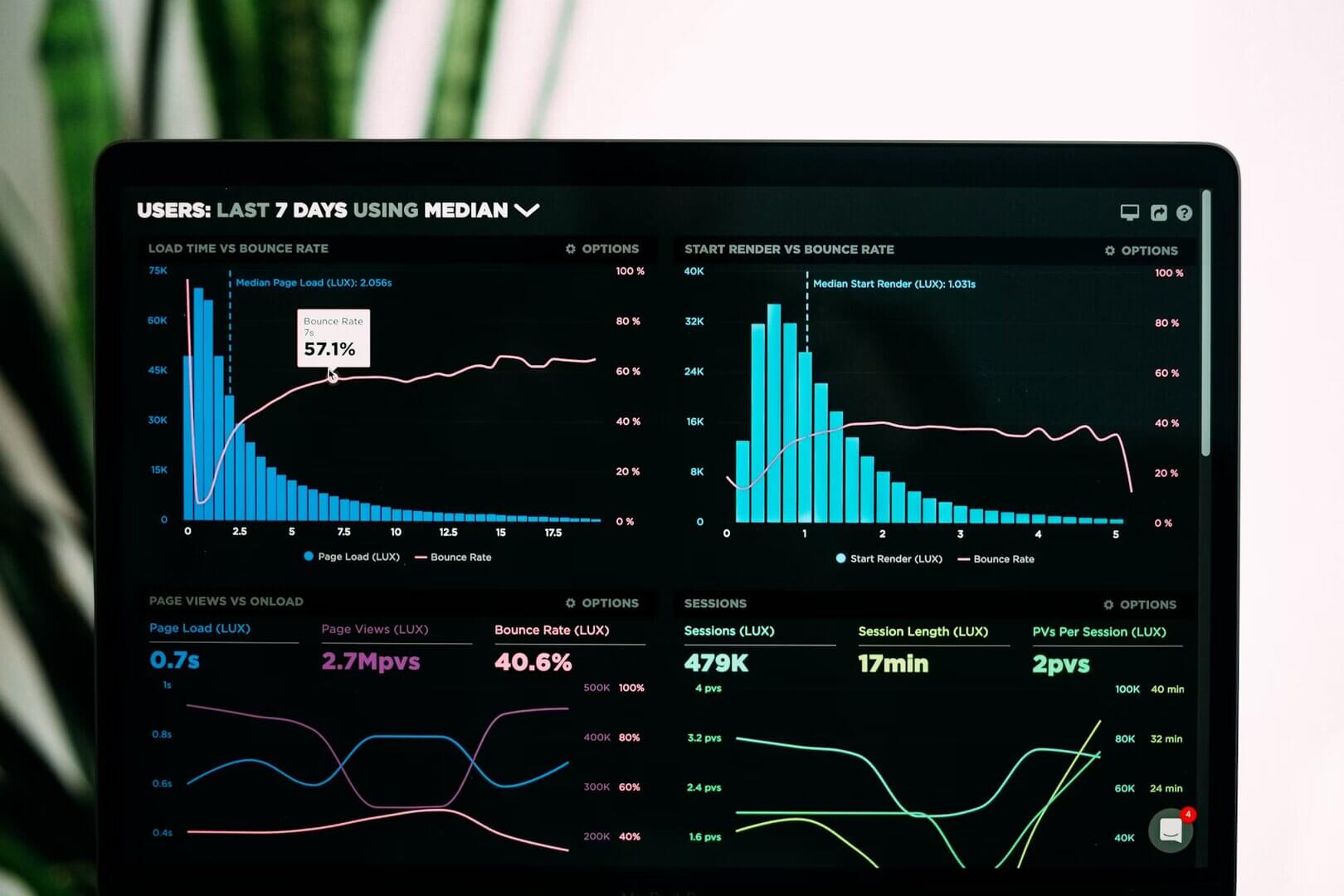
Personalization with Machine Learning
Personalization with machine learning: individual product recommendations with TensorFlow and real-time predictions to raise the conversion rate.
Solution example: how we implement a project like this. It does not describe a single client project.
Better Customer Experiences with Machine Learning
Initial situation & goals
This solution example shows how an online retailer can use machine learning to personalize product recommendations and the shopping experience.
The problem
Challenges
Customer loyalty
Typical starting point: generic recommendations do little to keep customers coming back.
Segmentation
Without behavior analysis, targeted messaging is hard. Segments are maintained by hand, which takes a lot of effort.
Drop-offs
Many visitors leave the customer journey before they buy.
Goals
Approach
Personalization
Individual product recommendations and experiences.
Efficiency
Real-time recommendations for a smooth user experience. This makes internal processes more efficient and keeps messaging aligned with what customers need.
Conversion rate
Raise the conversion rate with content that fits each customer.
An AI-Assisted Personalization Process
Approach
How we approach it: the solution combines current AI methods with a connection to the existing store, so recommendations reach the customer directly.
Project management
Iterative development
Regular adjustments and A/B tests during development.
Data-driven decisions
Analytics guide the tuning.
Technologies & tools
User behavior analysis
Machine learning detects preferences and builds segments.
Model development
TensorFlow for recommendations and scikit-learn for clustering.
Real-time predictions
API-based recommendations that appear instantly.
Team & roles
AI specialists
Build and train the machine learning models.
Frontend developers
Implement the personalized UI and UX.
Machine Learning at Work: Workflow and Implementation
Implementation
Workflow
Data collection
- Capture user behavior and interactions.
ML training
- Train and tune the models.
Predictions
- Product recommendations in real time.
Tuning
- A/B tests and fine-tuning for better results.
Technical features
TensorFlow
- Builds the recommendation engine.
scikit-learn
- Clustering models for segmentation.
A/B testing framework
- Data-based improvement of the user experience.
Real-time prediction API
- Instant, continuous recommendations for each user.
Takeaways and Outlook: The Next Step in Personalization
Lessons learned
This example shows how AI changes the way companies interact with their customers.
Personalization pays off
Individual recommendations are an effective way to raise the conversion rate.
Ongoing tuning
A/B tests are essential for lasting improvements.
Built to grow
The architecture makes it easy to add features.
Next steps
Introduce voice-based recommendations.
Extend personalization to email marketing campaigns.
Use AI for dynamic pricing.
Bottom line
Machine learning makes personalization possible at scale and is an effective way to raise customer satisfaction and revenue.
Related services
More case studies
Other projects
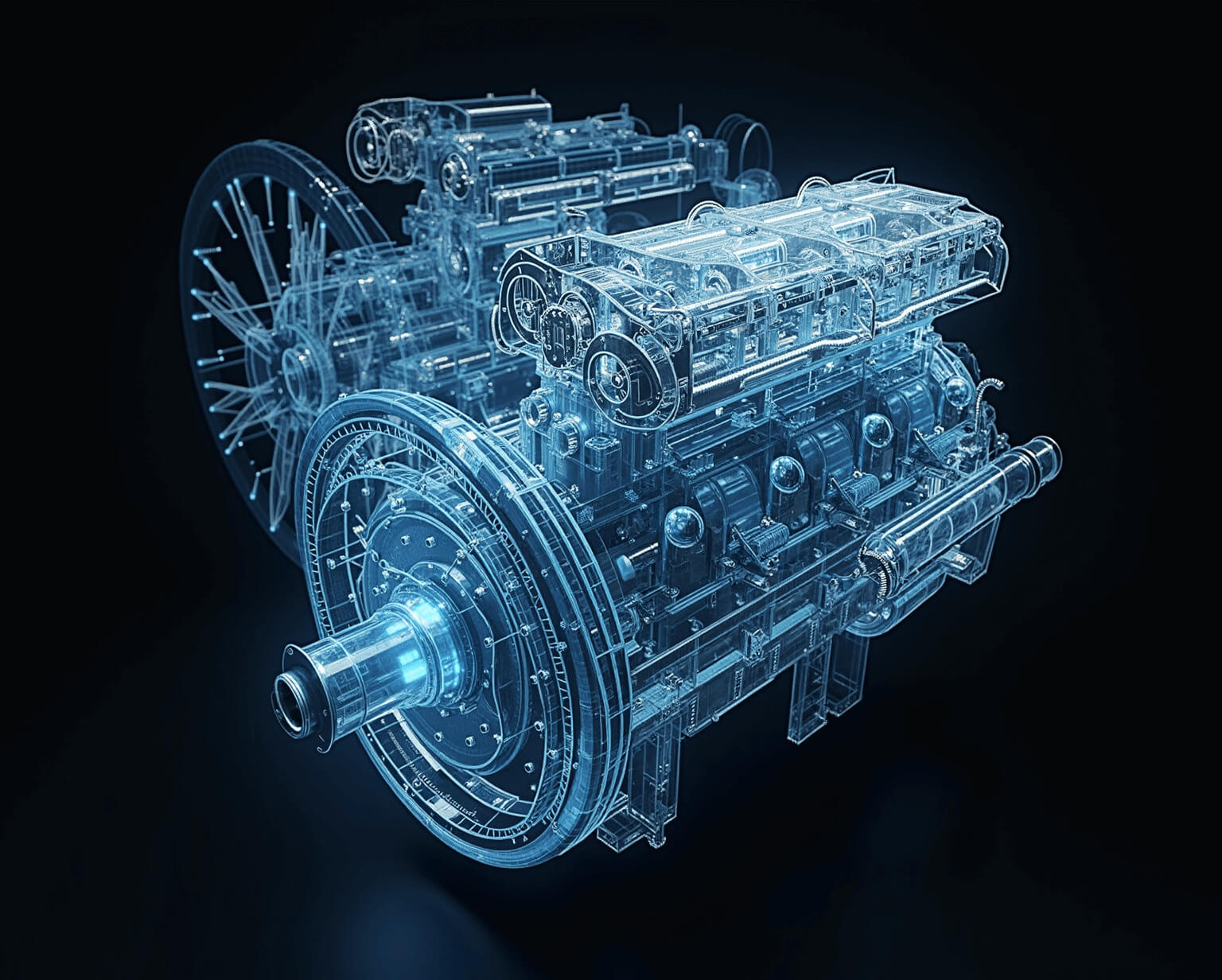
Digital Twin for Industrial Plants
Less unplanned downtime: digital twins for real-time monitoring and maintenance forecasts in industrial plants.
Industry 4.0 & IoTRead
Continuous Integration Pipeline (CI/CD Pipeline)
Solution example: a CI/CD pipeline with Jenkins, Docker and Kubernetes. Automated tests, a shorter path to deployment, fewer manual errors and closer collaboration between development and operations.
Continuous IntegrationReadWhat are you working on?
On the first call, you tell us where things are stuck. We'll tell you honestly whether we're the right fit. 30 minutes, free.

Jens Bohl Founder and Managing Director