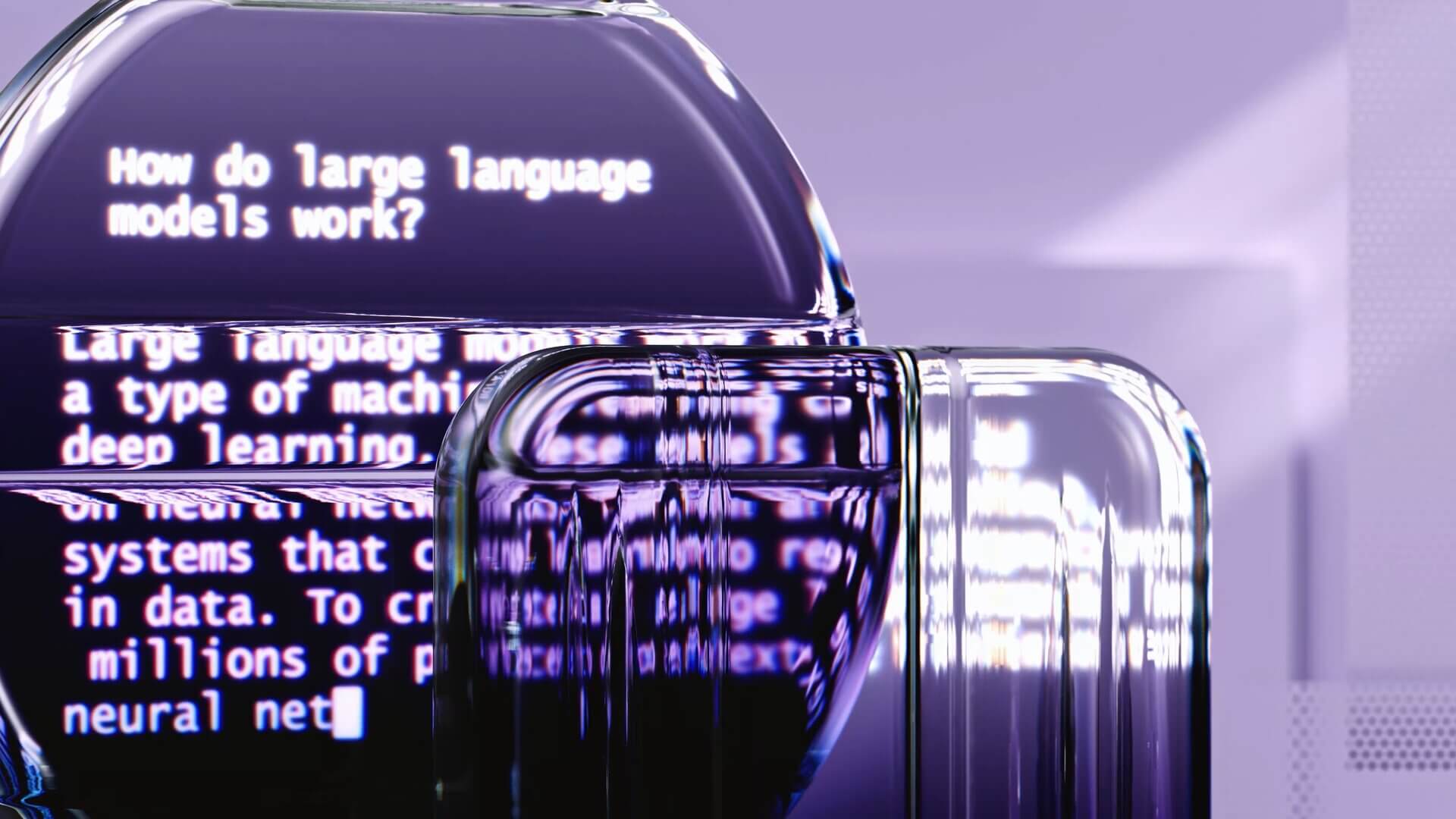
Customer Support Chatbot: AI-Assisted Support
A chatbot automates 24/7 support on Instagram, Slack and the web: faster answers, multichannel integration, CRM connection and analytics.
Solution example: how we implement a project like this. It does not describe a single client project.
24/7 Customer Support
Initial situation & goals
Customer support around the clock is a real competitive advantage. Typical starting point: an online retailer needs a way to handle a growing number of customer requests and answer them faster.
The problem
Challenges
Overload
The support team is at its limit because of the high number of requests.
Wait times
Long response times leave customers unhappy.
Integration
The solution has to work cleanly with the existing CRM systems.
Goals
Approach
Automation
A chatbot answers common questions automatically.
Customer satisfaction
Faster response times improve the customer experience.
Multichannel availability
Customers can reach support on all common communication channels.
How We Approach It: A Chatbot for Every Platform
Approach
The chatbot combines AI with connections to the existing systems, so customer support runs efficiently and reliably.
Project management
Agile approach
Iterative development with regular testing and adjustments.
User-centered design
Focus on easy use and useful answers.
Technologies & tools
Natural Language Processing (NLP)
AI-assisted analysis of customer requests.
Multi-platform integration
Connections to Instagram, Slack and other messaging apps.
CRM integration
Direct connection to the existing CRM system.
Team & roles
AI developers
Specialists in machine learning and NLP models.
Integration specialists
Responsible for connecting all channels.
Key Features and Technology
Implementation
Chatbot features
AI logic
- Automatic answers that fit the question.
Multichannel
- Available on Instagram, Slack and other platforms.
CRM integration
- Connected to the existing CRM systems.
Analytics
- Data-based insights to improve customer support.
Technical features
Machine learning models
- Trained on common customer questions and answers, plus user manuals, FAQs, product descriptions and website content.
Sentiment analysis
- Detects how satisfied a customer is from the tone of the message.
REST APIs
- Simple integration with different platforms.
Real-time dashboard
- Live overview of requests and answers.
Takeaways: What a Chatbot Does for Support
Lessons learned
This example shows how AI changes customer service and takes load off the support team.
Automation with AI
Machine learning reduces the workload in support.
Multichannel integration
Being reachable on several platforms is essential.
Analytics for improvement
Data-based insights make ongoing improvements possible.
Next steps
Add voice support to the chatbot (voice AI).
Connect more communication channels (for example Instagram, Slack and other messaging apps).
Improve sentiment analysis for more accurate results.
Bottom line
A chatbot improves customer support through automation, faster answers and happier customers. Multichannel availability and CRM integration make it a fixed part of the support process.
Related services
More case studies
Other projects

THÜROS Online Shop: B2B and B2C E-Commerce for a Premium Brand
A Shopware 6 migration for premium grills, with an international multistore, clear product search and AI-assisted spare parts recommendations.
E-CommerceRead
Personalization with Machine Learning
Personalization with machine learning: individual product recommendations with TensorFlow and real-time predictions to raise the conversion rate.
AI & Machine LearningReadWhat are you working on?
On the first call, you tell us where things are stuck. We'll tell you honestly whether we're the right fit. 30 minutes, free.

Jens Bohl Founder and Managing Director