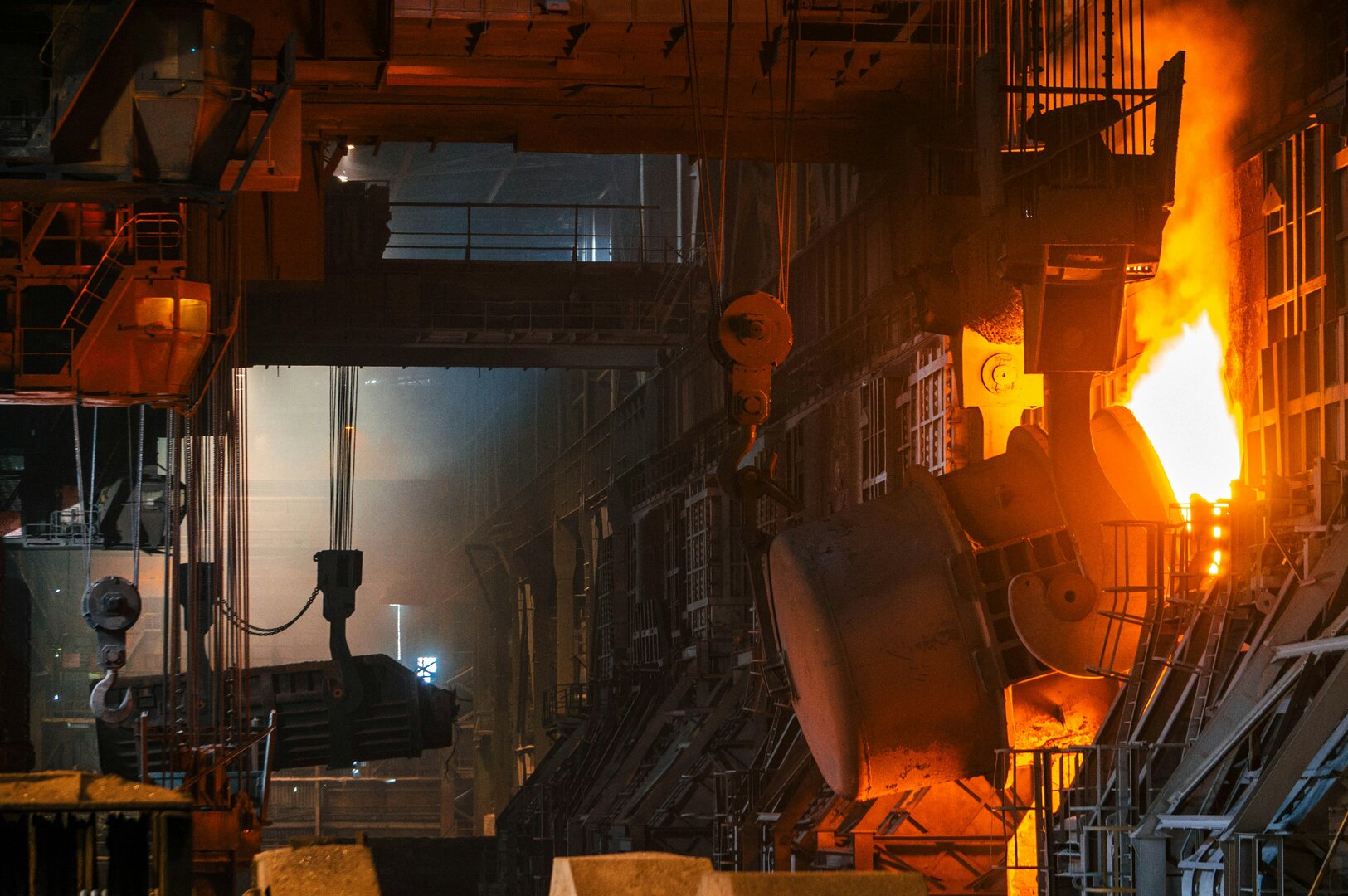
SMS group 3D Configurator: Planning Industrial Plants Visually
A WebGL configurator with real-time rendering and ERP integration. It makes complex plants easier to plan, speeds up sales and is easier to use than the old tools.
A 3D configurator for SMS group
Initial situation & goals
Configuring an industrial plant is demanding work. We built a 3D configurator that makes complex technical requirements easier to work with.
The problem
Challenges
Complexity
Industrial plants require deep technical knowledge.
Usability
Earlier tools were hard to use.
Data volume
Heavy demands on data processing and performance.
Goals
Approach
Easy to use
Simple to operate despite the technical complexity.
Fast system
Smooth rendering and quick interactions.
Room to grow
A platform that can take on new requirements later.
The technology stack
Approach
An overview of the technologies we used and how we approached the build.
Project management
Agile development
Iterative delivery with regular improvements.
Technology selection
We chose React, Three.js and WebGL.
Technologies & tools
Frontend
React, Three.js, TypeScript and WebGL for fast rendering.
Backend
NestJS and Node.js with PostgreSQL for data management.
Desktop integration
Electron for native desktop apps.
DevOps
Docker and Kubernetes for CI/CD and monitoring.
Team & roles
Development team
Specialized in 3D rendering and performance tuning.
DevOps specialists
Responsible for stable operations.
From idea to working product
Implementation
The key milestones and lessons from building the configurator.
- 2017
Proof of concept
Evaluated web technologies, ran performance tests and chose the technology stack.
- 2018
MVP
Built the core features and did the first round of performance tuning.
- 2019
Extensions and tuning
Added new features and kept improving data compression.
Core features
3D rendering
Fast WebGL rendering with optimized geometry processing.
Real-time updates
Live data over WebSocket connections.
System integration
Connected to ERP and CAD systems.
Results: performance and room to grow
Results
The result is a platform that can be extended, and users are happy with it.
Extensions
Platform architecture that scales
Efficient data compression
Support for new plant types
Takeaways: solid engineering, easy to use
Lessons learned
What we learned and where the project can go next.
Technology choices
Current, widely used technology lets the platform grow over the long term.
Built around the user
Ease of use was what made the configurator work.
Next steps
AI-assisted simulation
Support for mobile platforms
Bottom line
The 3D configurator shows how much easier plant engineering gets when people can see what they are configuring.
Related services
More case studies
Other projects

Multi-Tenant PWA
A multi-tenant PWA: one central application with less maintenance, offline support and good performance for every tenant.
Enterprise SolutionsRead
Design System for User Interfaces
Shared UI components for faster development: how companies build a design system that grows with them.
Design & DevelopmentReadWhat are you working on?
On the first call, you tell us where things are stuck. We'll tell you honestly whether we're the right fit. 30 minutes, free.

Jens Bohl Founder and Managing Director